Behind the Counter Find a Retailer

The Green Room

Straight answers to the questions customers ask most, for curious consumers and the budtenders who guide them.

The question we hear most

What should I look for when choosing a product besides THC percentage?

THC is only one part of the cannabis experience. Terpenes, cannabinoid profiles, freshness, and overall flower quality all contribute to what makes a strain unique. A higher THC percentage doesn't necessarily mean a better experience. Look beyond the number and consider the aroma, flavor, and characteristics of the strain.

How to read your bag

Aroma and flavor

What are terpenes, and how do they influence the cannabis experience?

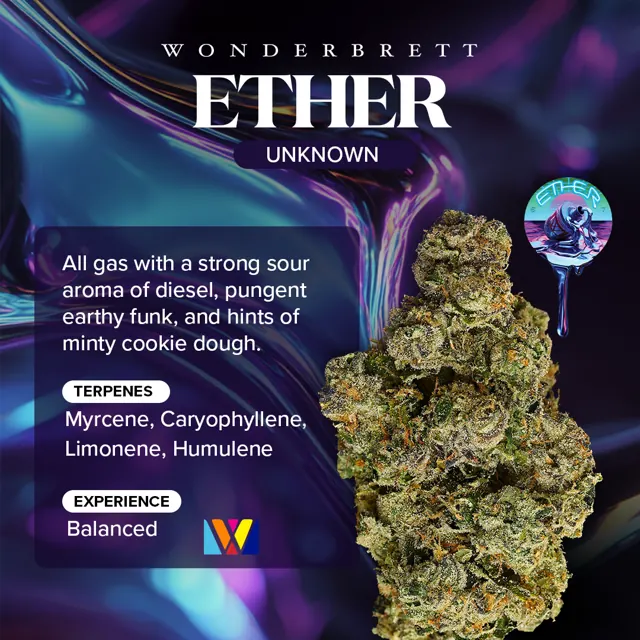
Terpenes are naturally occurring compounds responsible for the distinctive aromas and flavors of cannabis. They're what give certain strains their citrus, pine, floral, earthy, or diesel notes. Terpenes may also influence how cannabis feels through their interactions with cannabinoids, although research into these effects is still developing.

Explore Terpenes 101
Watch · 1 min 57 secMeet your ECS Your endocannabinoid system: where it is, what it does, and how THC fits in.
Watch · 1 min 51 secTHC & the entourage effect THC sets the strength. Terpenes and other cannabinoids help shape the direction. Here's how they work together.

Educational only, not medical advice.

Look past the THC. It all starts with the genetics.

More questions

Labels

What's the difference between indica, sativa, and hybrid, and does it really matter?

Traditionally, indica is associated with relaxation, sativa with uplifting effects, and hybrid with a combination of both. But these labels don't reliably predict how a strain will make you feel. A strain's chemical profile, including its cannabinoids and terpenes, provides more useful information about its potential experience.

See terpene profiles

Finding your strain

How do I find the right cannabis strain for the experience I'm looking for?

Start with flavor profiles you enjoy. Do you prefer fruity, sweet, citrusy, earthy, or gassy strains? Your preferences can be a great starting point for discovering new cannabis varieties. Next, think about the experience you're looking for. Do you want to unwind, feel uplifted, or enjoy something more balanced? Explore different terpene and cannabinoid profiles, pay attention to how each strain makes you feel, and remember that everyone's experience is unique. Finding your ideal strain is part of the discovery.

Browse the Strain Library

Quality

How can I tell if cannabis is high quality before I buy it?

Quality cannabis starts with how it's grown, harvested, dried, cured, and stored. Look for freshness, a distinctive aroma, well-preserved trichomes, and properly maintained flower. Good cannabis should reflect careful cultivation and handling, not simply a high THC percentage. Consistency from one purchase to the next is another important sign of quality.

How we test

What are terpenes?

Terpenes
101

Terpenes are the aromatic compounds plants produce. They give cannabis, citrus, pine and lavender their distinctive scents, and they shape how each strain smells, tastes and feels. They're the best guide to the strains you'll love.

Select a terpene to explore it.

How do I read the QR code?

Read your bag

Every BLISS CO bag carries a QR code on the back. Scan it to open a custom, lab-backed report powered by PhytoFacts. Here's what each part tells you.

About PhytoFacts
  1. Terpene color bars

    The three most abundant terpenes by weight, color-coded so you can group cultivars with similar profiles at a glance.

  2. Overall content chart

    How the sample compares on cannabinoids, terpenes and moisture, measured against reference levels of 30%, 3% and 20%.

  3. Chemometric family

    Groups the sample with cultivars that share similar sensory and physiological characteristics.

  4. Cannabinoid ratio dial

    Compares the top two cannabinoids. The dominant one leads; the runner-up shapes the overall character.

  5. Cannabinoid table

    The six most abundant cannabinoids measured in the sample.

  6. Suggested effects

    Experience descriptors generated from the sample's terpene and cannabinoid data.

  7. PhytoPrint

    A visual fingerprint of the terpene profile, useful for comparing one cultivar against another.